

Exporting plant material isn’t as simple as putting budwood in a box and sending it off. It’s a careful, multi-step process that makes sure our cultivars meet the strictest international standards, arrive in perfect condition, and are ready to grow.
We’re proud to work closely with SAPO our trusted partner in this process. Their expertise, infrastructure, and dedication to plant health make it possible for us to deliver on our promise to growers around the world.
Here’s a behind-the-scenes look at what it takes to get our plant material from South Africa to orchards and vineyards worldwide.
Understanding the rules for each country
Every country has its own phytosanitary requirements for importing plant material.
The client sends us their import permit, which outlines exactly what inspections or tests must be done by the Department of Agriculture, Land Reform and Rural Development (DALRRD) before we can ship.
The permit will indicate the delivery address and the amount of material as well as the phytosanitary requirements. It is important to communicate with the client to confirm the first port of entry into the country (e.g., airport, harbour, or road border post).
For example, in the European Union, material is inspected for insects and mites, while virus testing is conducted only after the shipment has been placed in quarantine in the destination country.
Finding the best plant material
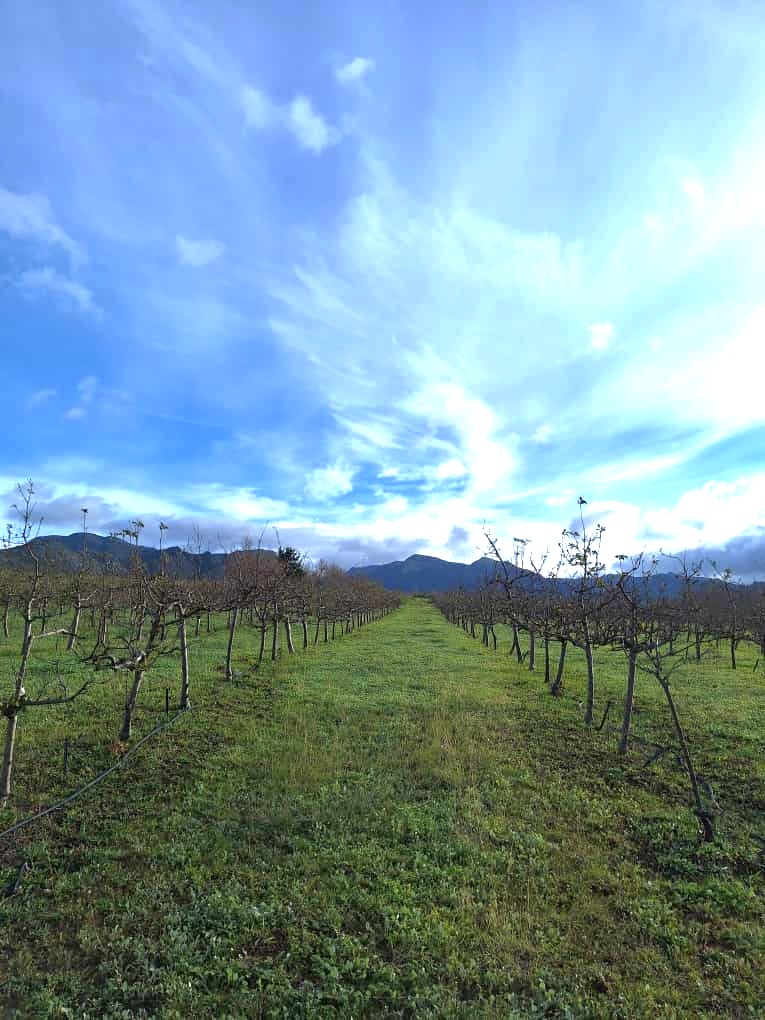
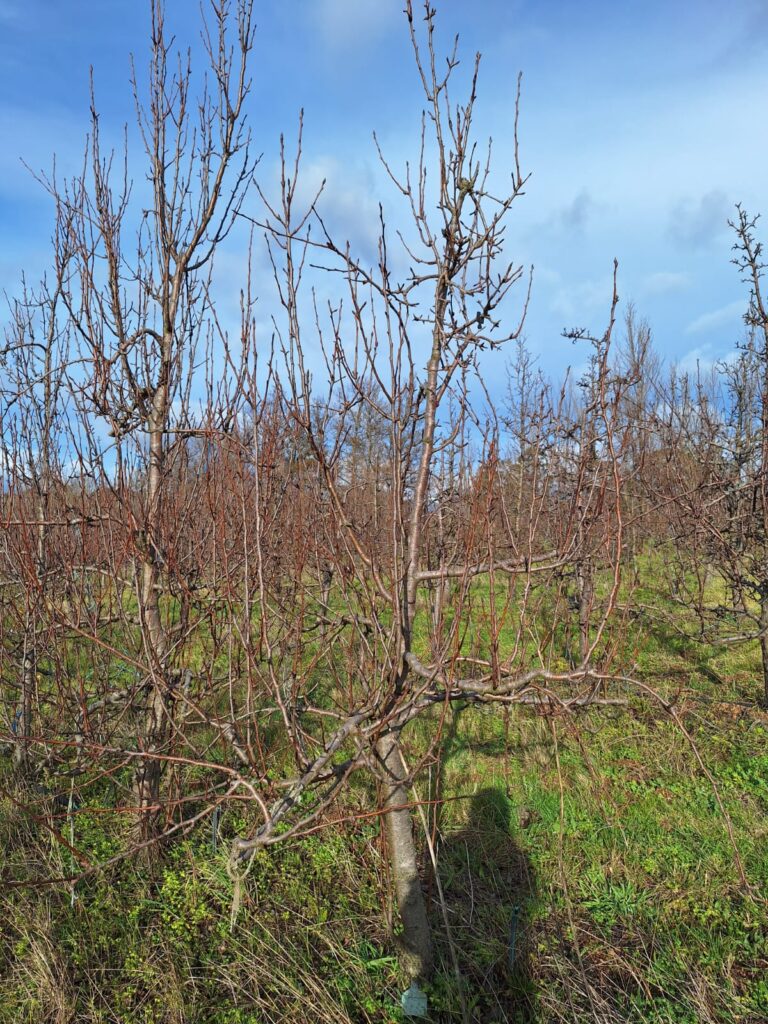
Once we know the requirements, the client decides how much budwood they need, with each piece measuring approximately 40 cm. SAPO’s team sources the material from their Nucleus Tunnel, as this offers the highest phytosanitary status.
If more volume is needed, material from tested foundation blocks are used.
These details matter; even providing the certified clone number can help reduce testing requirements.
Inspections, treatments, and cold storage
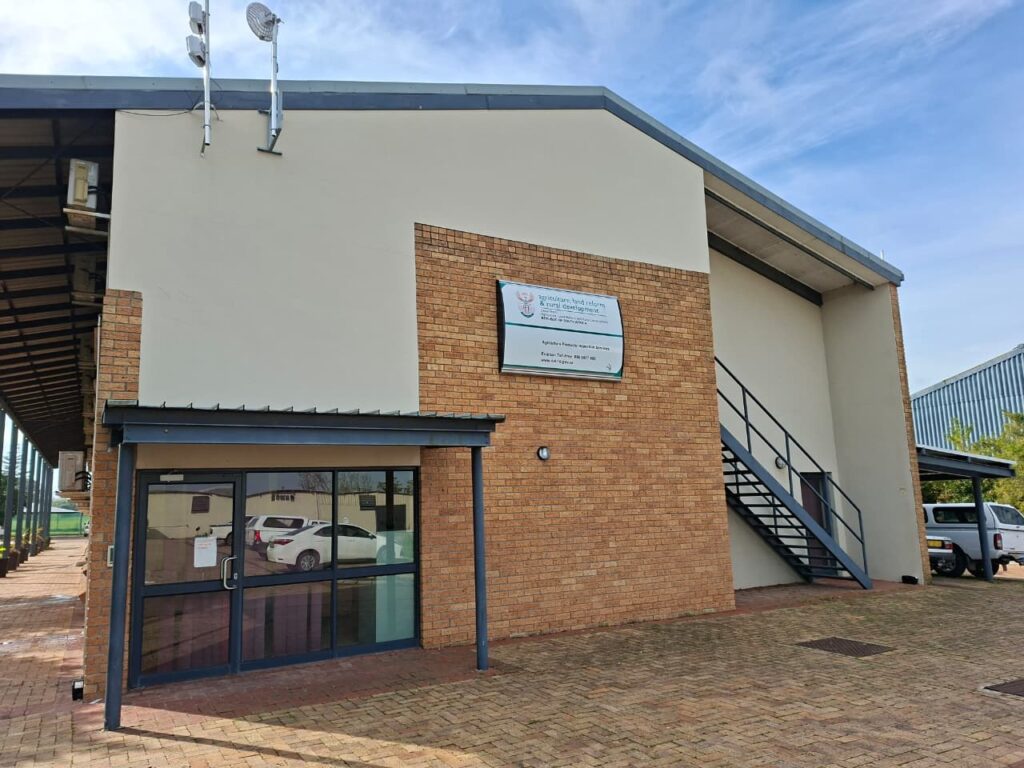
SAPO coordinates inspections with DALRRD, and samples are sent for testing. If the results are compliant, the plant material is pruned, treated with fungicide and insecticide, and stored in SAPO’s cold room until it’s ready for dispatch.
Securing the phytosanitary certificate
Before shipping, we apply for the phytosanitary certificate through eCert — this is the official document confirming that the material meets the importing country’s phytosanitary requirements
It includes details like the destination address, port of entry, and contact person. The material needs to be out of the country within 2 weeks from the date of phytosanitary certificate approval.
Packaging for the journey
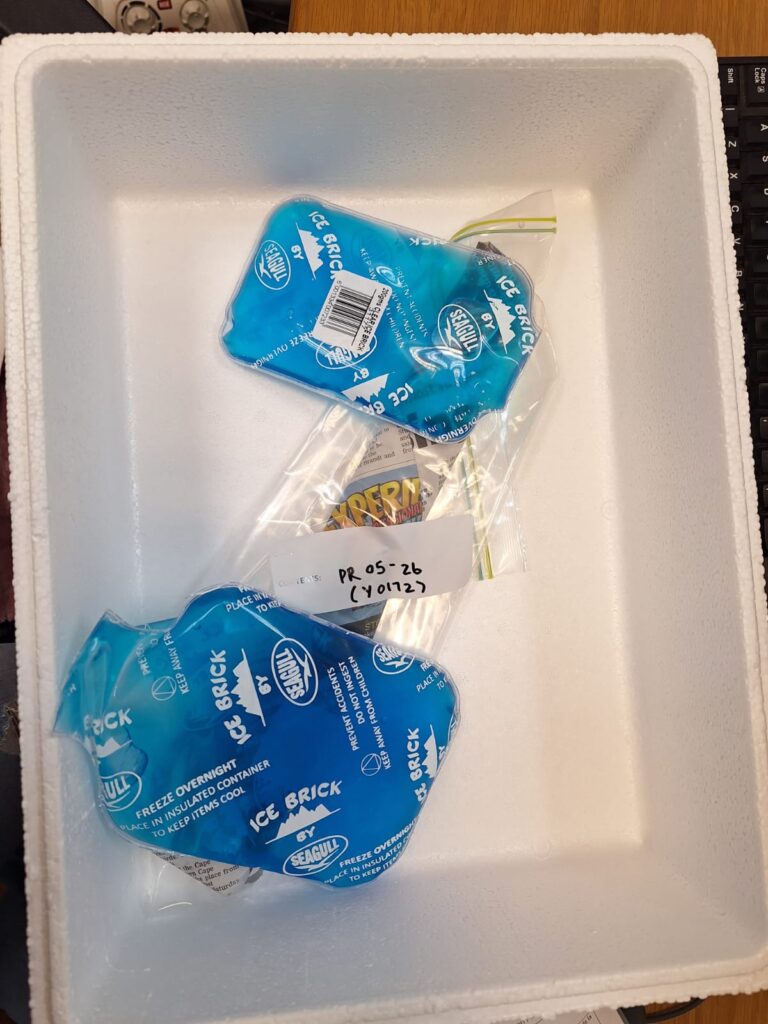
Packaging is more than just wrapping — it’s about protecting the plant material and ensuring it stays at the right temperature throughout transit.
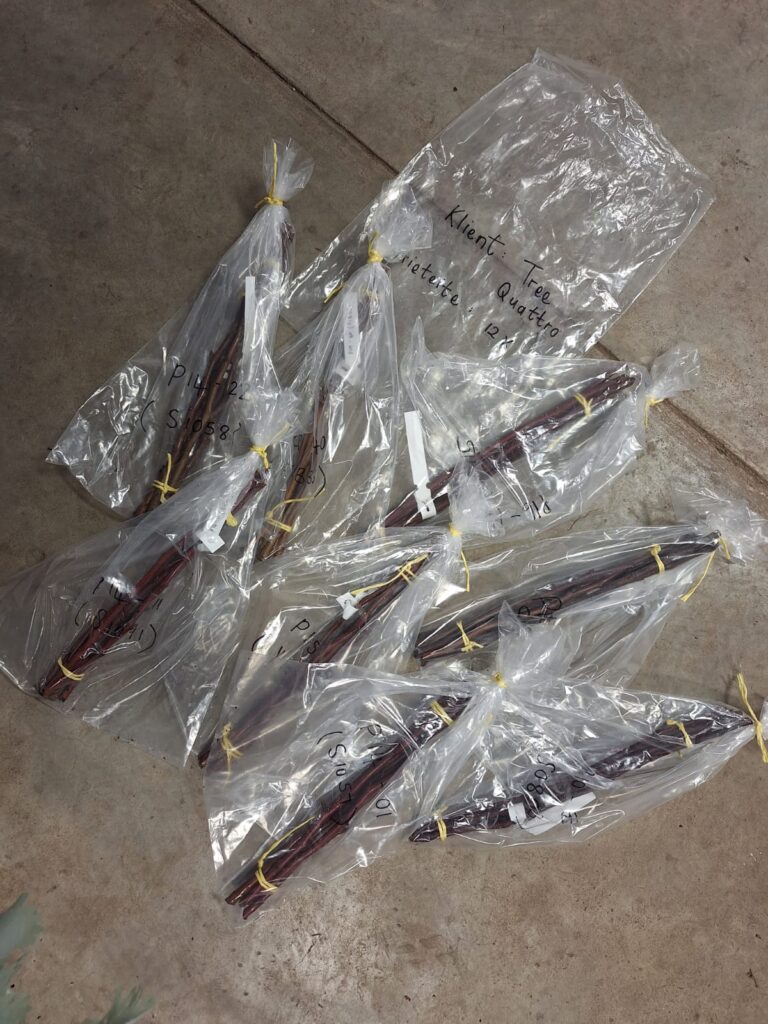
- Each variety is treated, dried, and packed in a labelled bag.
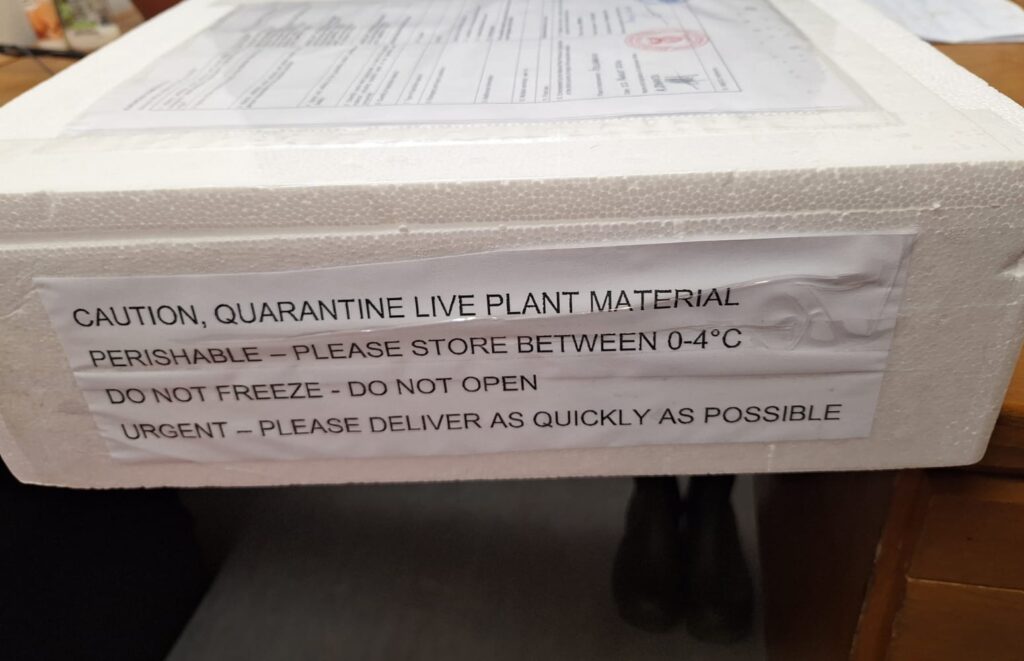
- The parcel is clearly marked for storage at 4°C.
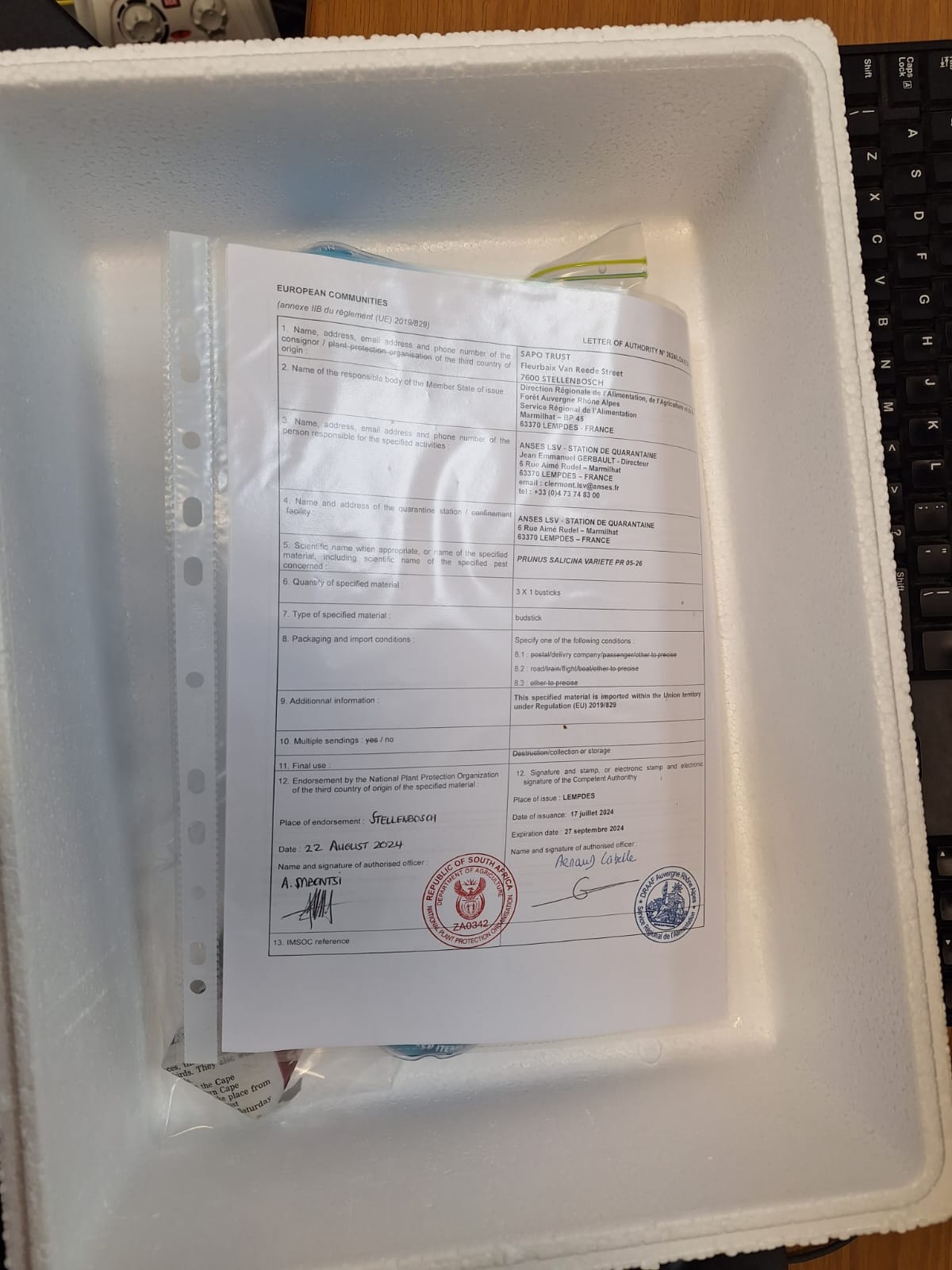
- All the necessary documentation (import permit, packing list, commercial invoice, original phytosanitary certificate and breeder’s authorization letter) is securely attached.
We also send copies to the client along with the tracking number so they can follow the shipment’s journey.
Why it matters
By the time the plant material reaches its destination, it’s passed through multiple checks and certifications. Every step is designed to safeguard plant health, meet international regulations, and give our clients the best possible start for their crops.
Partnering with SAPO allows us to maintain the highest standards from orchard to export, ensuring that every shipment carries the same care and precision as if we were planting it ourselves.
For more information please send an email to info@culdevco.co.za.


